
Transforming Your Compound Wall into a Vertical Garden
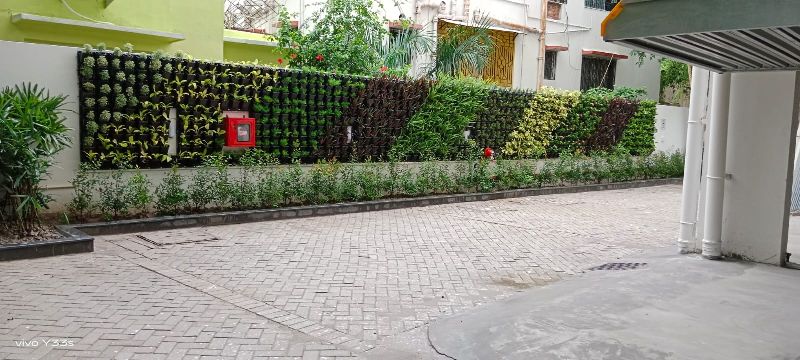
Blooming Boundaries
The compound wall, often seen as a stark boundary, can be much more than just a security feature. With a little creativity and planning, it can be transformed into a thriving vertical garden, adding a touch of greenery, color, and even privacy to your property. A compound wall garden offers a unique opportunity to maximize space, improve aesthetics, and create a more welcoming atmosphere.
Why Consider a Compound Wall Garden?
Beyond the obvious visual appeal, there are several compelling reasons to consider converting your compound wall into a garden:
- Space Optimization: Perfect for small properties with limited ground space, a vertical garden allows you to grow plants where you otherwise couldn’t.
- Enhanced Privacy: Strategically chosen climbing plants can provide a natural screen, offering increased privacy from neighbors and passersby.
- Improved Air Quality: Plants absorb carbon dioxide and release oxygen, contributing to a cleaner and healthier environment around your home.
- Insulation and Temperature Regulation: A wall covered in vegetation can help insulate your home, reducing energy consumption by keeping it cooler in summer and warmer in winter.
- Pest Control: Certain plants can deter pests from entering your property, acting as a natural barrier.
- Increased Property Value: A well-maintained and visually appealing garden can significantly enhance the overall value of your home.
Choosing the Right Plants:
Selecting the right plants is crucial for the success of your compound wall garden. Consider the following factors:
- Sunlight: Assess the amount of sunlight your wall receives throughout the day. Choose plants that thrive in those specific conditions.
- Wall Material: The material of your wall (brick, concrete, etc.) will affect drainage and temperature. Choose plants that can tolerate these conditions.
- Climate: Select plants that are suitable for your local climate and can withstand the seasonal variations.
- Maintenance: Consider the level of maintenance you are willing to provide. Some plants require more pruning and care than others.
- Desired Effect: Do you want a lush, overflowing look or a more structured and controlled appearance? This will influence your plant choices.
Popular Plants for Compound Wall Gardens:
- Climbing Plants: Bougainvillea, Creeping Fig, Star Jasmine, Morning Glory, Ivy (English Ivy, Algerian Ivy), Clematis.
- Hanging Plants: Trailing Rosemary, Sedum, Verbena, Petunias.
- Flowering Vines: Wisteria, Honeysuckle, Trumpet Vine.
- Edible Plants: Strawberries, Herbs (Mint, Parsley, Thyme), Tomatoes (determinate varieties).
Installation and Maintenance:
There are several ways to install a compound wall garden:
- Direct Planting: Suitable for plants that can naturally climb and attach to the wall, such as Creeping Fig and Ivy.
- Trellises and Support Structures: Provide support for climbing plants that need assistance, like Bougainvillea and Wisteria.
- Wall-Mounted Planters: Offer a more controlled environment for individual plants or small groupings.
- Vertical Gardening Systems: Pre-fabricated panels with built-in planting pockets, making installation easy.
Maintenance tips:
- Watering: Water regularly, especially during dry periods. Consider installing a drip irrigation system for efficient watering.
- Fertilizing: Provide regular fertilization to ensure healthy growth and vibrant blooms.
- Pruning: Prune regularly to maintain the desired shape and prevent overgrowth.
- Pest Control: Monitor for pests and diseases and take appropriate action to control them.
Transforming your compound wall into a vertical garden is a rewarding project that can significantly enhance your property. By carefully selecting the right plants, providing proper support, and implementing a regular maintenance routine, you can create a beautiful and functional outdoor space that adds value, privacy, and a touch of nature to your home. So, ditch the drab wall and embrace the green – your compound wall is waiting to bloom!